
Fittings: Get a free quote • Fast response
Fittings
A tinsmith produces fittings for every conceivable purpose on a building. Fittings can be used to protect a building from the weather, prevent water ingress, ensure ventilation and give the building an attractive appearance. Tinsmiths can produce everything from window fittings and gutters to pipe fittings and special solutions for architect-designed buildings.
The tinsmith ensures that the fittings have the right design and dimensions and chooses materials that are suitable for the style and location of the building.
Here you’ll find information about different types of fittings, prices and other frequently asked questions. You can also get a free, no-obligation quote from a skilled tinsmith in your area.
Get a free quote for fittings
Send us a short description of your wishes and needs, and we’ll help you find the most suited tinsmith.
Your contact information will only be used in connection with the request. Your personal data will not be disclosed to unauthorized persons.
How to get a quote for fittings in three simple steps:
1. Send a request
Send us a request with a short description of your wishes and needs.
All requests about fittings are processed as soon as possible.
2. Receive your free quote
You will receive a free and non-binding price quote from a a near you soon after your request has been sent.
Once you approve the price quote, a suitable time for performing the task is scheduled.
3. The task is performed
The tinsmith will perform the task efficiently, fulfilling your requirements to a high standard of quality.
Blikkenslag.no partners with skilled and qualified tinsmiths all across Norway.
What do fittings cost?
The cost of different fittings varies depending on the type of fitting, size, quantity, materials and whether they are to be produced to standard or custom dimensions. Against this background, it is difficult to give exact prices, as there are so many things that can affect prices both up and down.
Here are some general price examples. You can find prices that are both lower and higher than this, depending on how complicated the fittings to be produced are.
For more accurate prices, you should contact a tinsmith, who can give you a concrete quote based on your specific needs.
Some fittings price examples:
- Angle fittings: From NOK 50 to NOK 200 per piece.
- Window fittings: From NOK 500 to NOK 1,500 per window.
- Eaves fittings: From NOK 200 to NOK 600 per meter.
- Sliding door fittings: From NOK 1,000 to NOK 3,000 per door.
- Pipe fittings: From NOK 3,000 to NOK 12,000 (complete pipe fitting).
- Water table fittings: From NOK 200 to NOK 600 per meter.
- Furniture fittings: From NOK 200 to NOK 600 per meter.
- Gutter fittings: From NOK 200 to NOK 600 per meter.
What affects the price of fittings?
Type of fittings
Some types of fittings are more expensive than others. Special fittings for architect-designed buildings or fittings with complicated designs can have a particularly high price tag.Material
Different metals have different prices. Zinc is the most affordable option, followed by plastic-coated steel, aluminum, stainless steel and copper. The price difference between the different materials can be significant, in some cases up to several hundred percent.Size/thickness
The size and thickness of the metal sheets also affect the price. Thicker sheets result in higher material costs than thinner sheets. Surface treatments such as powder coating also add extra cost.Design
Fittings with complicated designs cost more than simple standard fittings. Right angles and simple shapes are the cheapest to produce, while oblique angles, curves and special adaptations require more work. Bespoke solutions created according to the customer's specific wishes and needs tend to carry the highest price tag.Availability
Fittings that need to be specially ordered cost more than stocked standard products. Standard fittings are produced in larger quantities and can therefore command a lower price. Fittings with unusual dimensions or designs are often made to order, which results in additional costs in terms of production organization. Order items also take longer to deliver than stock items.
Different types of fittings:
There are many different types of fittings. Some of the most common are angle brackets, window brackets, eaves brackets, sliding door brackets, chimney brackets, water table brackets, ridge brackets and gutter brackets. The choice of fittings depends on where and how they will be used.
Angle brackets
Angle brackets are used to attach various building components at right angles, such as railing posts, cladding boards, moldings and beams. They provide solid and stable joints.
Angle brackets are available in various materials, sizes and designs to suit different needs.
Window fittings
Window fittings include hinges, handles, knobs, locks and other parts needed for a window to function optimally. Solid and durable window fittings are important for the window’s function, security and longevity.
They should also be easy to operate and maintain.
Eaves fittings
Eaves flashings are installed at the bottom of the roof to direct water away from the wall and into the gutter. They protect the house wall from moisture damage.
Eaves brackets must be adapted to the eaves and provide a tight transition between roof and gutter. They should be weatherproof and easy to keep clean.
Sliding door fittings
Sliding door fittings include rails, pulleys, handles and locks that make it possible to slide doors aside. Solid and quiet fittings are important for sliding doors to function optimally over time.
The fittings must be adapted to the weight and size of the doors and withstand frequent use.
Pipe fittings
Pipe fittings are used around pipes to prevent water from penetrating the structure. They ensure a tight transition between pipe and roof.
Pipe fittings must be able to withstand high heat, cold and temperature fluctuations without cracking or corroding. Correct installation is important to avoid leaks.
Water table fittings
Water table fittings are installed above windows and doors to direct water away from the opening. They protect the substrate from moisture damage.
Water table fittings are made from materials that can withstand the elements without rusting, rotting or fading. They must have the right slope to ensure good water drainage.
Nut fittings
Ridge flashings are used where two roof surfaces meet at the top of the roof. They ensure a tight and neat transition and protect against water ingress.
Ridge flashings can be flat or profiled and must be adapted to the roof pitch and roofing material. They should have good fastening and be resistant to weather and wind.
Gutter fittings
Gutter brackets are used to attach gutters and downpipes to the building. They ensure that the gutter hangs straight, has the correct fall and does not come loose.
Gutter brackets must withstand heavy snow loads in winter. They should be strong, rust-free and easy to adjust when needed.
What are fittings used for?
Fittings have many important functions on a building:
- Protect against water ingress by preventing water from entering through joints and openings.
- Ensure tight and solid transitions between different parts of the building.
- Ensure that doors and windows function properly.
- Contribute to good ventilation and prevent moisture damage.
- Create a neat and coherent appearance.
- Reinforce and stabilize structures.
- Protect the substrate from wear and tear and damage.
Choosing the right fittings is important for the building’s function, safety and service life. A tinsmith can advise on which fittings are best suited to your project.
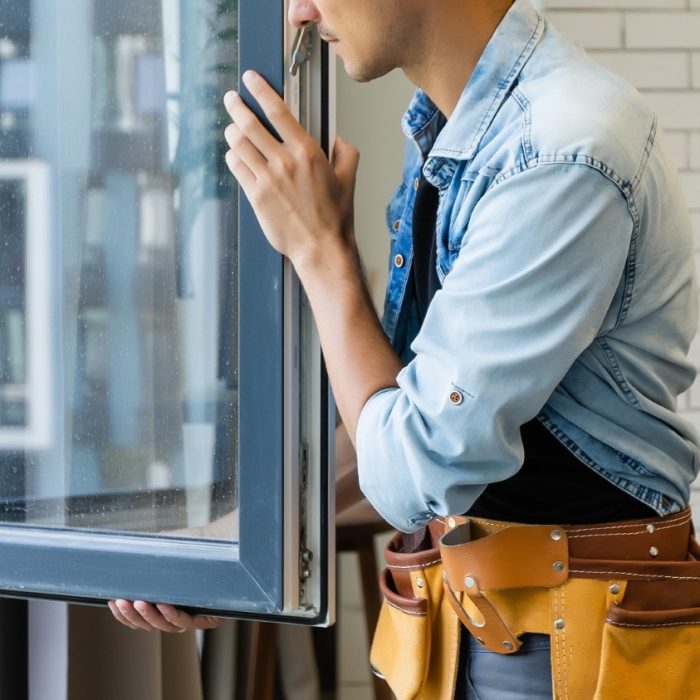
Get a quote for fittings
To get a quote for fittings for your building project, you usually need to contact several tinsmiths and ask for a quote. This means researching which tinsmiths are in your area, what kind of experience and expertise they have, and looking at feedback from previous customers. This can be very time-consuming.
An easier solution is to use our service. We work with skilled tinsmiths all over the country and can connect you directly with the tinsmith in your area who is best suited to your project.
Fill out the form on our site and you’ll be contacted by a qualified tinsmith in no time. Our service is free and completely non-binding.