
Roofing: Get a free quote • Fast response
Roofing
A sturdy roof is essential to protect your home from the elements. Roofing is an important task that requires a high level of expertise to ensure a lasting and reliable result. A skilled tinsmith has the necessary experience and knowledge to tailor a roofing solution that suits your house and your needs.
By contacting a tinsmith, you can rest assured that your roof will be professionally installed, avoiding costly leaks and damage in the future. We can provide you with a free, no-obligation quote from a tinsmith in your area.
Get a free quote for roofing
Send us a short description of your wishes and needs, and we’ll help you find the most suited tinsmith.
Your contact information will only be used in connection with the request. Your personal data will not be disclosed to unauthorized persons.
How to get a quote for roofing in three simple steps:
1. Send a request
Send us a request with a short description of your wishes and needs.
All requests about roofing are processed as soon as possible.
2. Receive your free quote
You will receive a free and non-binding price quote from a a near you soon after your request has been sent.
Once you approve the price quote, a suitable time for performing the task is scheduled.
3. The task is performed
The tinsmith will perform the task efficiently, fulfilling your requirements to a high standard of quality.
Blikkenslag.no partners with skilled and qualified tinsmiths all across Norway.
How much does roofing cost?
The price of roofing varies greatly and depends on several things, such as the size of the roof, choice of material and roof angle.
- Most people end up paying between NOK 1,500 and 3,500 per square meter.
- The average price for roofing is around NOK 2,500 per square meter.
These prices include all costs associated with the construction of the new roof, both material costs and labor costs.
Another cost item that is important to consider is the cost of repairs. If, during the course of the work, rot or other damage is discovered on the underlying structures and these need to be repaired, the total cost can increase considerably.
In addition to the roofing itself, there will often also be costs associated with the installation of gutters, fittings, battens and relevant roof safety systems. This can also have a significant impact on the total price, depending on your needs and the solutions you choose.
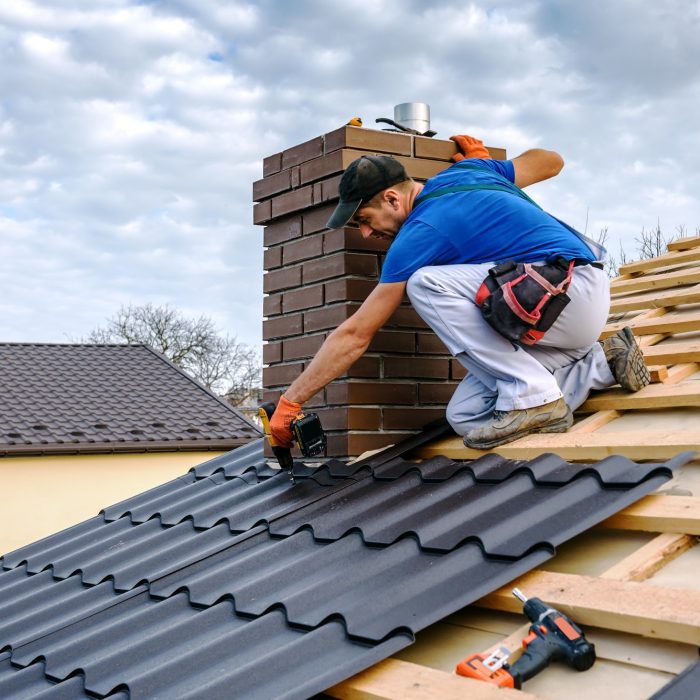
What affects the price of roofing?
Size
A larger roof requires more materials and man-hours, which increases the price.Material choice
Different roofing materials have different prices. Tiles are often more expensive than roofing felt but have a longer lifespan.Roof angle
Steep roofs are more demanding to work on and require more safety measures, which can increase the price.Accessibility
If the roof is difficult to access, for example due to height or obstacles, this can affect the price.Details and complexity
Roofs with many angles, penetrations or special details take longer to roof and can therefore be more expensive.Geographical location
Prices can vary slightly from region to region, depending on the availability of materials and competition among craftsmen.Season
The peak season for roofing is often summer, and prices can be slightly higher then.Repair costs
Rot damage or other unforeseen damage that needs to be repaired can increase the total price considerably.
What is roofing?
Roofing is all about replacing your old roof. This is done by removing the old coating or stone from the roof and replacing it with new. A good and robust roof is the most important protection you have against leaks and water damage.
Roofing can consist of different materials, depending on the roof’s design, desired appearance and durability.
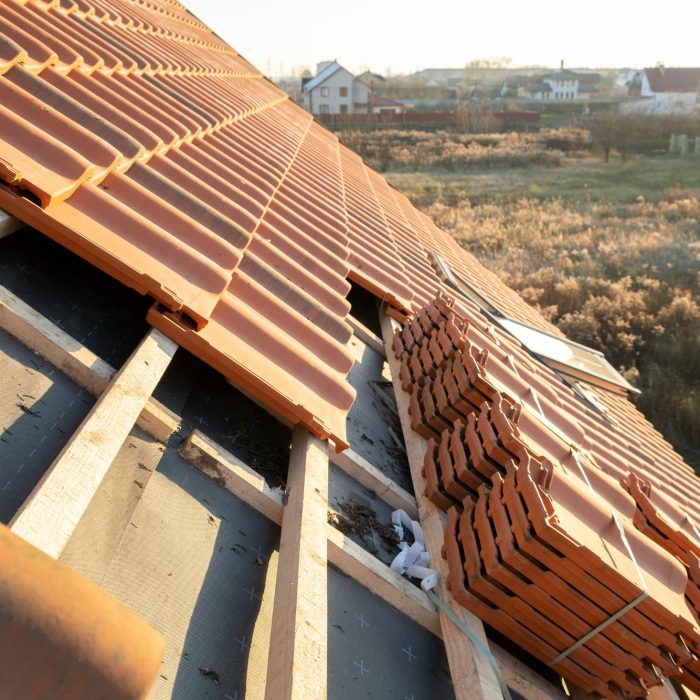
Some common roof types:
Shingle
Shingle is an affordable and lightweight roofing material made from asphalt-impregnated fiberboard. It is available in various colors and patterns and is suitable for most types of roofs.
Shingles are easy to install and require little maintenance. This type of roof is priced at the lower end of the market but has a shorter lifespan than heavier materials such as stone or slate.
Shingle roofs have a lifespan of 25-35 years.
Roof panels
Roofing sheets made of metal or composite materials are a lightweight and strong alternative that suits most roof types. They are easy to install, require minimal maintenance and are available in a range of colors and finishes.
Steel sheets can rust over time, so it’s recommended to choose galvanized or painted sheets for long-term protection. The sheets provide an efficient and economical solution, which can also be installed faster than other traditional roof types.
The lifespan varies based on materials, but typically from 30 years and up.
Concrete roof tiles
Concrete tiles are a solid and durable alternative that can withstand the Norwegian climate well. It gives the roof a classic look and is available in several colors and shapes.
Concrete tiles are heavier than tiles, which may require extra reinforcement of the roof structure. They are also among the cheapest roof types.
Concrete roof tiles have a lifespan of 40-60 years.
Tile roof tiles
Tiles give the roof a traditional and timeless look and are well suited to older homes or classic-style houses. Tiles are lightweight, durable and require little maintenance, but are somewhat more expensive than concrete tiles.
Tiles are available in a range of colors, from red and brown to black and grey. Tiles have a lifespan of 60-80 years.
Peat roof
A turf roof consists of a layer of turf or sedum laid on top of a customized roofing solution. Peat roofs provide a natural and environmentally friendly look and can help insulate your home and evaporate rainwater.
Peat roofs require more maintenance than other roof types and are best suited to smaller, sloping roof surfaces. With proper maintenance, the lifespan is usually 25 years or more.
Slate
Slate is a natural stone that gives the roof an exclusive and elegant look. Slate is highly durable and can last for over 100 years with proper installation and maintenance.
Slate is a heavy material that requires a solid roof structure and is often more expensive than other roof types. In return, you get a unique and durable roof.
How long does roofing last?
The lifespan of your roofing depends on several things. The choice of material, quality of materials and workmanship, climate, and maintenance all play an important role in the lifespan of the roof. A roof can have a lifespan of anything from 20 years to over 100 years.
If you plan to stay in your home for a long time, it’s usually worth investing in a high-quality roof to minimize the number of replacements.
- Peat roofs: 25 years and up
- Shingle: 25-35 years
- Concrete roof tiles: 40-60 years
- Tile roof tiles: 60-80 years
- Steel roof panels: 30 years and up
- Aluminum roof panels: 30 years and upwards
- Zinc roof panels: 60 years and up
- Copper roof panels: 60 years and upwards
- Slate: up to 100 years
The estimated lifetime assumes that the roof is maintained at the recommended intervals, and that you regularly check for damage and carry out local repairs.
Which roof is the cheapest to install?
Roofing felt and shingles are often the most affordable roofing options. Both materials have relatively low material costs compared to other types and are quick to install, keeping labor costs down.
Shingles can be slightly more expensive than roofing felt to purchase, but are easier to install, especially for less experienced craftsmen. This can mean that the total price of shingles is similar to or even lower than that of roofing felt.
Roofing sheets made of metal or composite materials are a slightly more expensive option than cardboard and shingles but have a longer service life and require less maintenance over time. Sheets are also quicker to install than heavier materials such as stone or slate, which can keep the overall cost down.
If budget is the most important factor, roofing felt or shingles are often the best choices. If you have a little more to invest and want a longer-lasting roof, sheet metal can be a good option. A tinsmith can advise on which solution is best for your house and budget.
Do I need to apply to change the roof?
In most cases, you don’t need to apply for permission to change your roofing, as long as you don’t change the shape, size or height of the roof. You can freely choose to switch from one roofing material to another, for example from roofing felt to roof tiles, without having to apply.
However, there may be some exceptions:
– If your home is listed or located in a specially regulated area, it may be necessary to apply for permission to change the roofing material.
– If you’re going to make major changes to your roof, such as adding roof tiles, arches or dormers, you’ll need to apply for planning permission.
– In some municipalities, there may be local regulations that require an application for certain types of roof work.
Talk to a tinsmith or check with the building department in your municipality if you are unsure whether your roofing project requires an application.
Get a quote for roofing
When obtaining roofing quotes, it’s common to contact several tinsmiths to compare prices and services. However, this can be a time-consuming process, and it can be difficult to know which tinsmith is best suited to your project.
We can save you time and effort by putting you in touch with a qualified and experienced tinsmith in your area. We work with skilled professionals across the country and can connect you with a tinsmith who has the right skills and experience for your roof.
Fill out the form on our site and we will forward your enquiry to a skilled tinsmith within a short time. Our service is free and completely non-binding. You don’t have to spend time looking for and comparing quotes, and you can rest assured that you’re getting a reliable and qualified professional to do the job.